-1%20(1).png)

.jpeg)
Since Ireland’s Environmental Protection Agency (EPA)1 published its Urban Wastewater Treatment Report for 2024, we have been examining its findings closely. The report makes for sobering reading. As a company committed to water quality and environmental protection, we believe it is essential to reflect on what these findings mean - not only for regulators and utilities, but for everyone invested in the health of our rivers, coastlines, and communities.
The Scale of the Challenge
Every day, more than one billion litres of wastewater is collected across Ireland's public sewer network and treated at over 1,000 treatment plants. Uisce Éireann, as the national water utility, carries an enormous responsibility in managing this infrastructure. However, the EPA’s 2024 report highlights a systemic shortfall: 59% of licensed treatment plants are not consistently meeting required standards..jpg?width=357&height=268&name=4-Jan-19-2026-11-48-38-5531-AM%20(1).jpg) More critically, 15 towns and villages are still discharging raw, untreated sewage into the environment every single day - equivalent to the wastewater of around 20,000 people. While progress has been made, with 35 areas connected to treatment plants since 2014 - including Arklow, Kilrush, Omeath and Coolatee in 2024 alone) - the pace of improvement must accelerate significantly.
More critically, 15 towns and villages are still discharging raw, untreated sewage into the environment every single day - equivalent to the wastewater of around 20,000 people. While progress has been made, with 35 areas connected to treatment plants since 2014 - including Arklow, Kilrush, Omeath and Coolatee in 2024 alone) - the pace of improvement must accelerate significantly.
Two Distinct Problems
The EPA report draws a critical distinction between operational failures and infrastructural deficiencies - one that directly shapes how these challenges should be addressed.
Operational and maintenance failures account for over 40% of non-compliant sites. These include equipment breakdowns, inadequate operational procedures and gaps in staff training. In 2024 alone, over 500 environmental incidents were linked to such issues. Crucially, these are problems that do not require years of capital investment to fix - they can be addressed through improved operational discipline, targeted training and robust preventative maintenance programmes.
Beyond regulatory and environmental consequences, poor operational performance also carries significant financial risk. Organisations face rising insurance costs, increased operational expenditure, and productivity losses due to unplanned shutdowns. In a market where sustainability is increasingly a competitive differentiator, failure to manage wastewater effectively can also erode commercial position.2
Infrastructural deficiencies, on the other hand, represent a longer-term challenge. An article by the Irish Fiscal Advisory Council highlights that Ireland's rapidly growing population, combined with the strong presence of water-intensive industries such as pharmaceuticals, data centres and semiconductors, is placing increasing strain on existing capacity, as it struggles to keep pace with increasing demand. The result is a widening gap between demand and infrastructure capability.3
Addressing this will require sustained capital investment to upgrade ageing assets, expand capacity and build climate resilience. The EPA is clear that this investment must be prioritised where it is needed most.
At Veolia, we recognise both dimensions of this challenge. Effective wastewater management is as much about optimising what already exists as it is building new infrastructure. Advanced monitoring systems, real-time process control and intelligent asset management tools can significantly improve the performance of existing plants, often delivering compliance improvements far more quickly and cost-effectively than capital projects alone.
The EU Compliance Dimension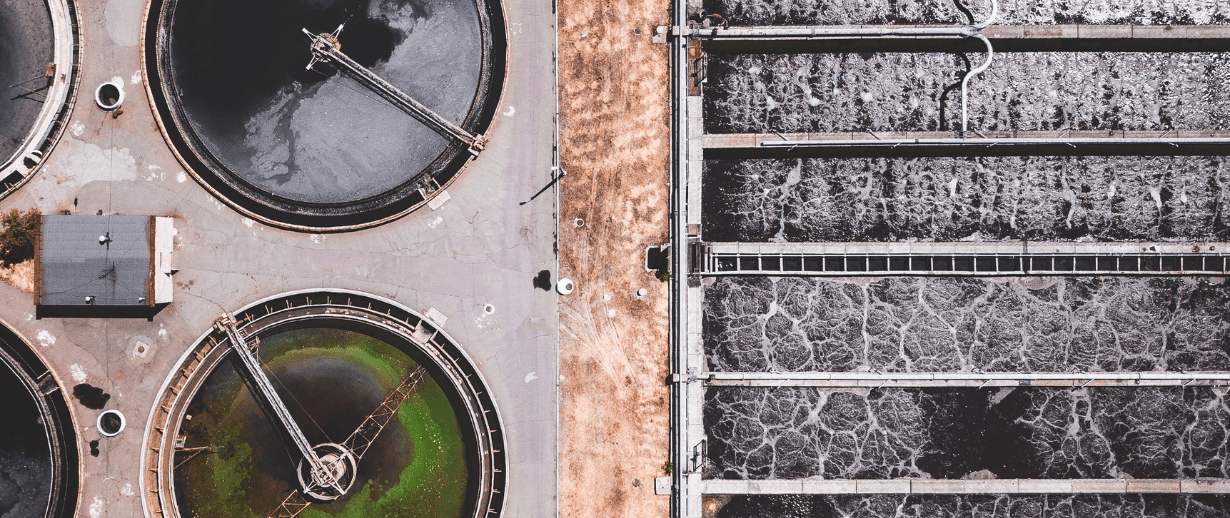 The regulatory stakes, frankly, couldn’t be much higher. The Urban Wastewater Treatment Directive has been in force since 1991, with a compliance deadline of 2005. In 2019, the Court of Justice of the European Union ruled that Ireland had failed to fulfil its obligations under the Directive. Ireland now faces the risk of financial penalties, and in 2024 the European Commission initiated a further infringement procedure.
That same year, 14 large urban areas failed to meet the Directive's mandatory treatment standards - up from 10 in 2023. Notably, nearly half of these had been compliant the previous year, highlighting that compliance is not a one-off achievement but a continuous operational requirement.
Further pressure is coming. A recast Urban Wastewater Treatment Directive entered into force in January 2025, introducing more stringent obligations on a phased basis over the next two decades. And Ireland must transpose this into national legislation by July 2027. The direction of travel is clear: standards are tightening, enforcement is increasing, and the window to invest in future-proof solutions is narrowing.
The Role of Technology and Innovation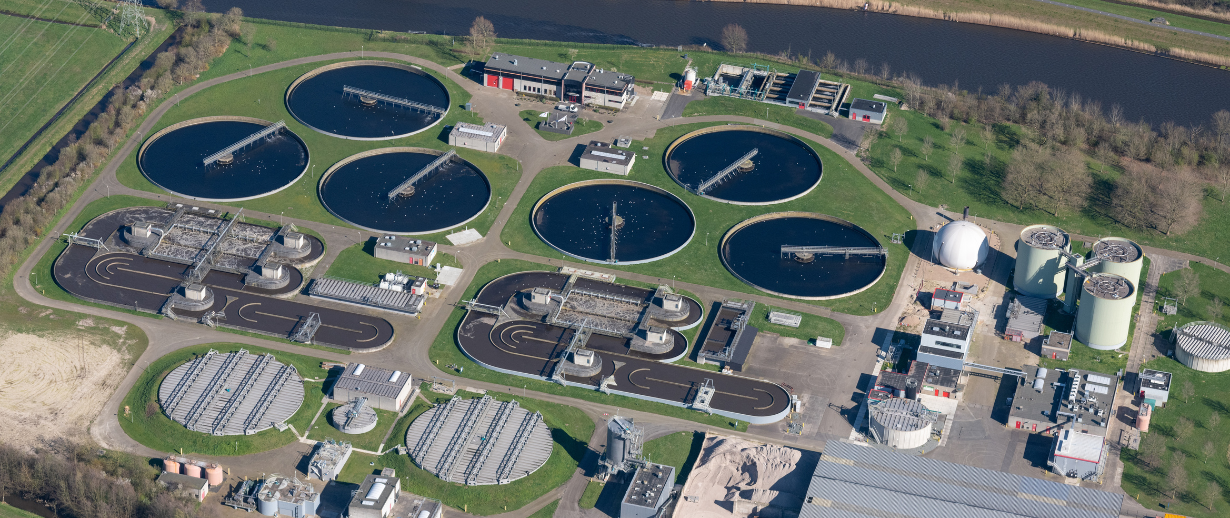
The EPA's report highlights not only the scale of the challenge, but also the need for more effective and intelligent approaches to wastewater management. At Veolia, we work with utilities and municipalities across Europe and beyond to address precisely the kinds of challenges Ireland is facing.
Indeed, the technologies already exist. Biological nutrient removal systems can address the nitrogen and phosphorus issues at the heart of Ireland's EU compliance failures. Advanced sludge treatment solutions can manage more than the 69,419 tonnes of dry solids produced in Ireland in 2024. Meanwhile, digital monitoring and control platforms enable operators to optimise plant performance in real time.
Effective preventative maintenance programmes, supported by condition monitoring and predictive analytics, can dramatically reduce the equipment breakdowns that account for such a large proportion of Ireland's environmental incidents. Of course, this doesn’t remove the need for investment and political will. But technology, applied intelligently, can accelerate the path to compliance and deliver environmental benefits more quickly than infrastructure alone.
A Shared Responsibility
The EPA's report is ultimately a document about accountability, and rightly so. The priority areas framework covering EU compliance, raw sewage elimination, sewer upgrades, surface water protection, provides a clear roadmap for action.
Delivering on that roadmap, however, requires sustained collaboration; collaboration between the utility and its regulators, between engineers and ecologists, between technology providers and operators. It requires a culture of continuous improvement, where compliance is not treated as an endpoint, but as a baseline..
At Veolia, we are proud to be part of that collaborative effort, working alongside utilities and public bodies to protect water quality, restore ecosystems, and build the resilient water infrastructure that Irish communities and nature depend on.
The scale of the challenge is clear. But so, too, is the opportunity to act decisively, invest wisely, and to leave Ireland's waters in a healthier state than we found them, bearing in mind an old saying, “ní chronaítear an t-uisce go dtriomaítear an tobar.”
1Environmental Protection Agency (EPA), Urban Wastewater Treatment in 2024, Published October 2025. ISBN: 978-1-80009-298-3. Available at: www.epa.ie
2"Improper Wastewater Treatment: Consequences and Solutions," SWA Water, May 24, 2023, www.swawater.com.au.
3Niall Conroy, "Concrete Problems: Ireland's Infrastructure Shortfall," Ireland's Budget Watchdog – Beyond the Budget Blog Series, August 14, 2025, www.fiscalcouncil.ie.