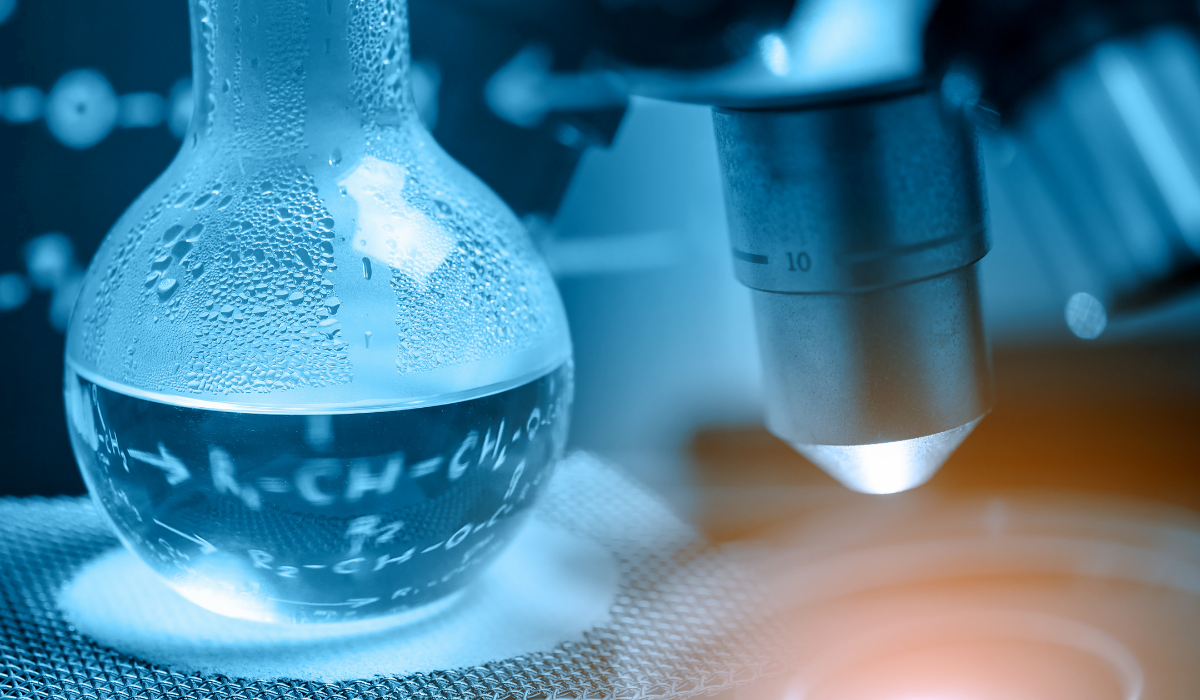


In industrial water treatment, where system performance directly impacts operational efficiency, asset integrity and environmental compliance, chemistry is not simply a supporting discipline — it is fundamental. In his role as a Chemical Engineer with Veolia | Water Tech Ireland, Adam Maitland sees firsthand how a chemistry-led approach transforms system performance. By looking beyond surface symptoms to understand the reactions occurring within each system, he helps deliver more reliable, efficient and sustainable outcomes for customers across Ireland.
From Theory to Real-World Impact
My journey began at Maynooth University, where I earned my Chemistry Degree and received the prestigious Kathleen Lonsdale Award for my final year research on human health electrochemistry. But for me, chemistry has always been about more than conical flasks and textbooks. I've always been drawn to how chemistry works in the real world. Not only the theory, but in systems, plants and processes that keep industries running.
This philosophy drives my approach to water treatment, where I focus on solving problems and improving performance in ways that deliver real operational value for our customers and their water systems.
Chemistry as a Problem-Solving Lens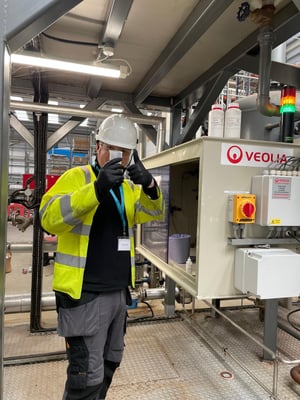
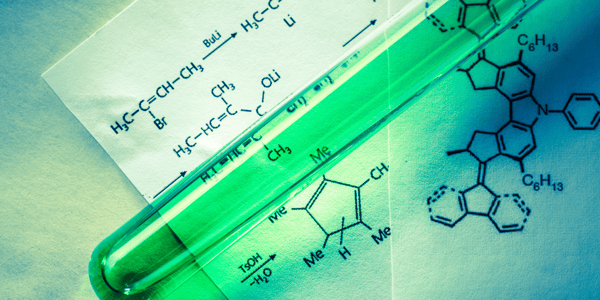
Chemistry has always been my “big vibe”; it’s my foundation for everything. What I mean by this is that I approach every challenge through a molecular lens, looking beyond surface symptoms to understand what’s really happening within the system. Whether it's scaling, corrosion, fouling, or biological growth, that deeper understanding allows us to address root causes rather than just react to symptoms. And that’s where real value is created for customers.
This sort of chemistry-led approach means that we don't immediately jump to changing hardware or increasing chemical dosage. Instead, we start by asking fundamental questions: What's actually happening in the water? What reactions are taking place? Why is the reaction progressing this way, and how will it impact each part of the system? From there, we can understand how these processes affect each part of the system and design a tailored water treatment programme, perfectly suited to each system.
Beyond Service Contracts: The True Role of Chemical Solutions & Monitoring
Many people hear "chemical solutions" or “system monitoring” and think of routine service contracts and site visits. And while these are, of course, crucial for maintaining and monitoring clients' critical systems, the role goes far beyond simply ticking boxes.
We interpret data, optimise chemical programmes, and ensure plants operate efficiently while meeting key performance targets and maintaining full compliance. We serve as expert technical partners to each client - not just another supplier.
Protecting Critical Assets Through Chemistry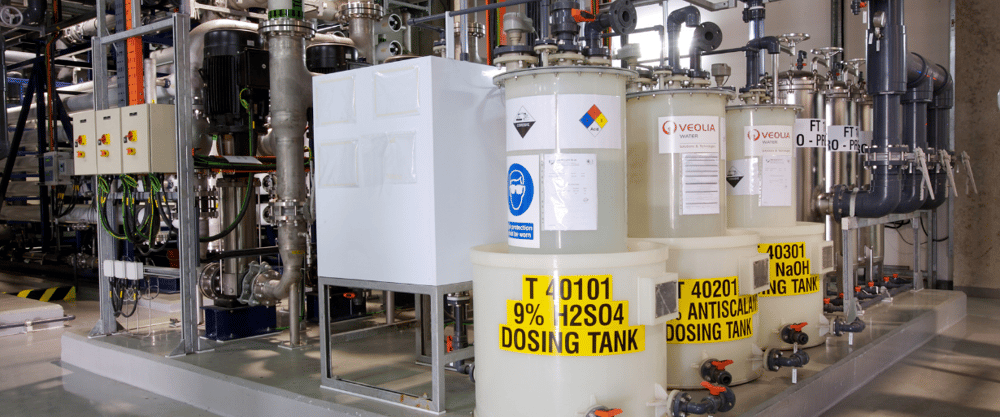
Chemical treatment and system monitoring play a critical role in protecting assets and processes across Irish industries. Without effective chemical control, systems are highly susceptible to corrosion, scaling, and microbiological fouling - issues that not only degrade equipment but also introduce significant operational risks. In many environments, unplanned downtime simply isn’t an option.
A well-managed chemistry programme safeguards the integrity and performance of key assets within water systems, including heat exchangers, boilers, cooling towers, and membrane systems. By maintaining the right chemical balance and continuously monitoring system conditions, it ensures these components operate efficiently, reliably, and within compliance, ultimately extending asset life and reducing total cost of operation.
From Reactive to Proactive Management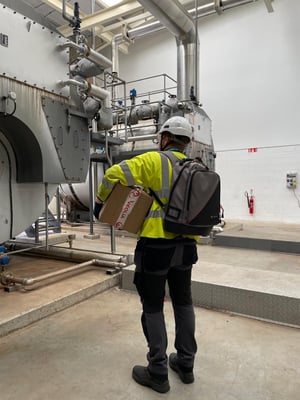 Data tells a story, and understanding chemistry allows us to spot issues before they develop into problems. When combined with Veolia's InSight remote monitoring platform, this provides the visibility needed to manage water treatment systems proactively rather than reactively.
There have been instances where declining performance was initially attributed to mechanical issues, but deeper analysis revealed subtle shifts in water chemistry driving scale formation or chemical imbalance. By adjusting the treatment programme based on this understanding, we were able to restore performance and avoid unnecessary capital spend. In some cases, systems operating at the point of failure have been returned to optimal performance thanks to a properly designed and customised treatment programme.
Measurable Business Outcomes While Balancing Performance, Compliance and Sustainability
Good chemistry translates directly into measurable business outcomes. It improves energy efficiency, reduces maintenance and unplanned breakdowns, extends asset life, and supports compliance by minimising harmful emissions. It also reduces water consumption and unplanned shutdowns, ultimately lowering total cost of ownership.
There is also a clear responsibility to apply chemistry in a controlled and precise manner, supported by continuous - often real-time - monitoring. This ensures environmental compliance, minimises waste and maximises system performance simultaneously. You can't just throw chemicals at the system and hope it works; every adjustment we make is deliberate and grounded in system understanding.
Shifting Misconceptions
A common misconception is that chemicals are simply a cost. In reality, they're an investment in asset protection and operational reliability. Another is that higher dosage leads to better performance, when, in fact, precision and control deliver the best results. With the right understanding, chemistry can be used not only to improve system performance but also enhance environmental outcomes, particularly in areas such as wastewater treatment.
The Importance of Long-Term Partnership
Trust and long-term collaboration are fundamental to successful water treatment. Systems are dynamic and continuously evolving, and the best performance comes from consistent monitoring, informed adjustments and shared accountability. Because conditions can change quickly, strategies that work today may need refinement tomorrow, making a strong partnership vital for long-term success.
The Pillars of Consistent Chemical Treatment Success
Delivering consistent results in this environment requires more than expertise - it demands a combination of technical knowledge, data literacy, responsiveness and a genuine customer-first mindset. Success also depends on commitment: doing the job thoroughly and proactively. Customers value reliability, transparency and clear guidance, so providing well-informed options and communicating them honestly is critical to building trust and achieving results.
The Future of Water Treatment
As the industry evolves, so too does the role of our team. Trends such as increased digital integration, real-time monitoring, heightened sustainability expectations and stronger demands for performance transparency are reshaping how water systems are managed. Customers now expect dashboards, KPIs and clear evidence of impact.
In response, CSM is no longer just about service delivery - it is about performance management. Our role is to interpret data, optimise systems and demonstrate value in tangible, measurable ways. By combining technical expertise with data-driven insights, we help customers achieve operational excellence today while preparing for the challenges of tomorrow. 
Why Chemistry Still Matters
In an era of automation, AI, and smart monitoring, chemistry remains more relevant than ever. While automation and AI can identify patterns and flag issues, chemistry explains why they occur and how to resolve them most effectively. No matter how advanced the technology becomes, water remains a chemical system. Understanding that chemistry, and the history of our customer systems, is what turns data into effective action.
At Veolia | Water Tech Ireland, chemistry serves as the foundation of our approach, enabling us to deliver both operational excellence and commercial value while transforming water treatment challenges into sustainable solutions for our customers.